
How Worship Loops Can Instantly Upgrade Your Church Band
Why More Churches Are Using Worship Loops
One of the easiest ways to instantly upgrade your music ministry is by incorporating worship loops and, in many cases, a metronome.
In 2026, using loops in church is no longer something rare or unusual. What used to feel like a specialty setup has now become a standard part of modern worship music for many churches.
That doesn’t mean every church has to use loops, but it does mean they can make a huge difference when used correctly.
What Worship Loops Actually Do
I like to think of the loop almost like another band member inside the band.
Every musician already has a role:
the drummer helps maintain tempo
the keyboard player carries harmony and melody
the bass player supports the low end
The loop adds another layer of rhythm, energy, texture, and consistency.
When the band locks into the loop correctly, everything feels tighter:
transitions improve
tempo stays more consistent
worship leaders feel more supported
the overall sound feels more polished
Why Timing Matters in Worship Music
If you’re not using loops or some sort of metronome, that doesn’t automatically mean your band has bad timing.
However, one challenge many worship teams face is tempo drifting throughout a song.
That’s completely normal.
A metronome and loop setup can help the entire band stay unified and locked into the same pulse from beginning to end.
That consistency becomes especially noticeable during:
transitions
spontaneous moments
worship builds
extended sections
medleys
My Recommended Playback Setup
The interface I personally recommend for churches is the Focusrite Scarlett 18i20.
One reason I recommend it so often is because it gives churches room to grow.
Even if you’re only using loops right now, having multiple outputs gives you the flexibility to eventually expand into:
stems
guide tracks
click/metronome
separate instrument routing
The setup itself is actually very simple, and there are plenty of tutorials online showing how to run loops on Sunday mornings.
Why I Started Making Worship Loops
One reason I started creating loop packs was because I realized a lot of musicians wanted to use loops but didn’t know how to make them.
Over the years, I’ve created well over a thousand loops for church musicians and worship teams.
One of my favorite things to do is build loops specifically for the local church because I understand the moments they’re designed for:
praise breaks
worship builds
transitions
altar moments
spontaneous worship
These aren’t generic cookie-cutter loops.
They’re designed to feel musical, intentional, and usable in real worship environments.
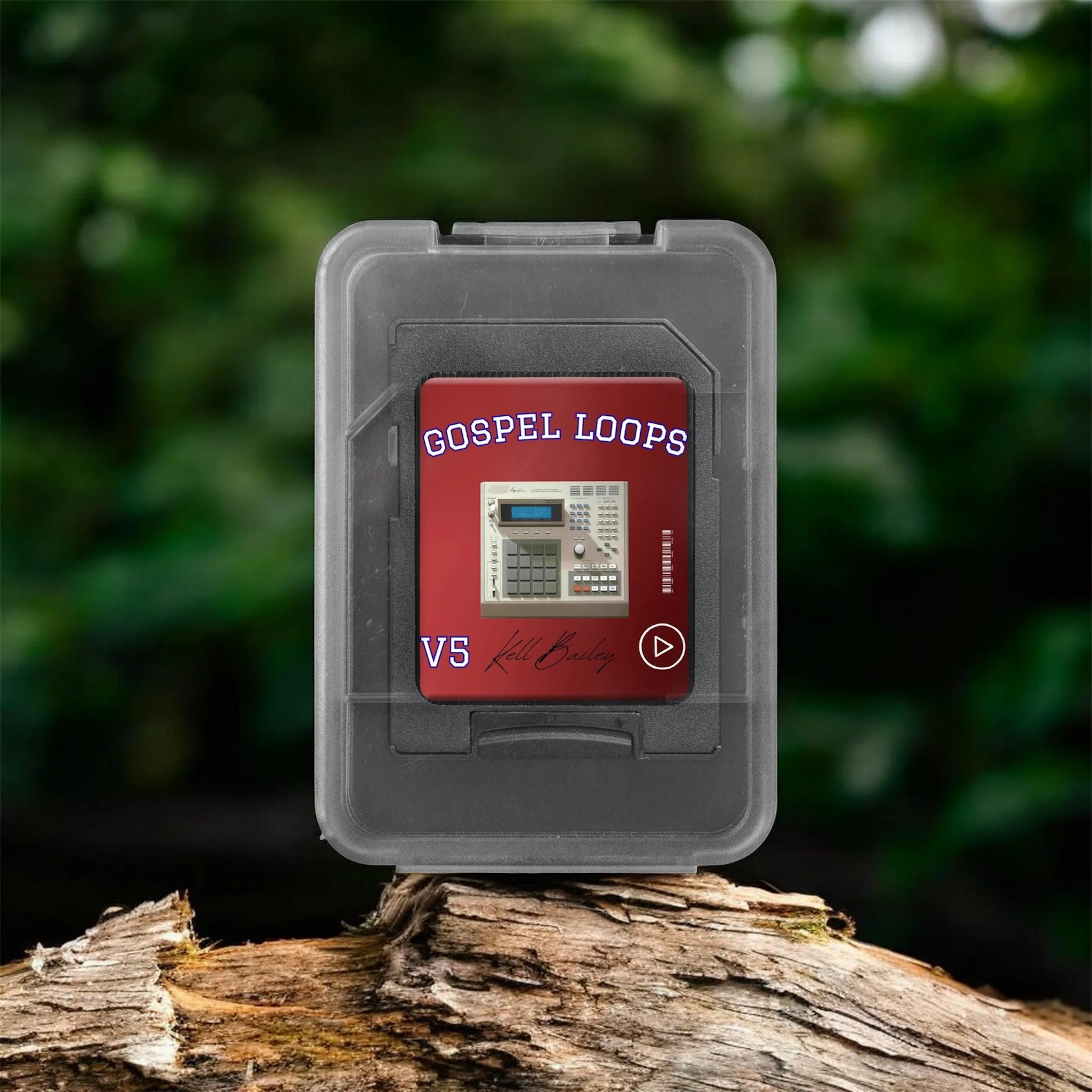
Gospel Loops V5 Released May 2026
Final Thoughts
At the end of the day, loops are simply tools.
They’re not there to replace musicians or remove authenticity from worship.
When used correctly, they help support the band, strengthen timing, and create a more unified worship experience for both the musicians and the congregation.
And for many churches, especially churches looking to modernize their sound, loops can completely transform the feel of a worship set without requiring a massive setup.